Bangladesh jute industry faces crisis
BY Insider Desk
October 07, 2023
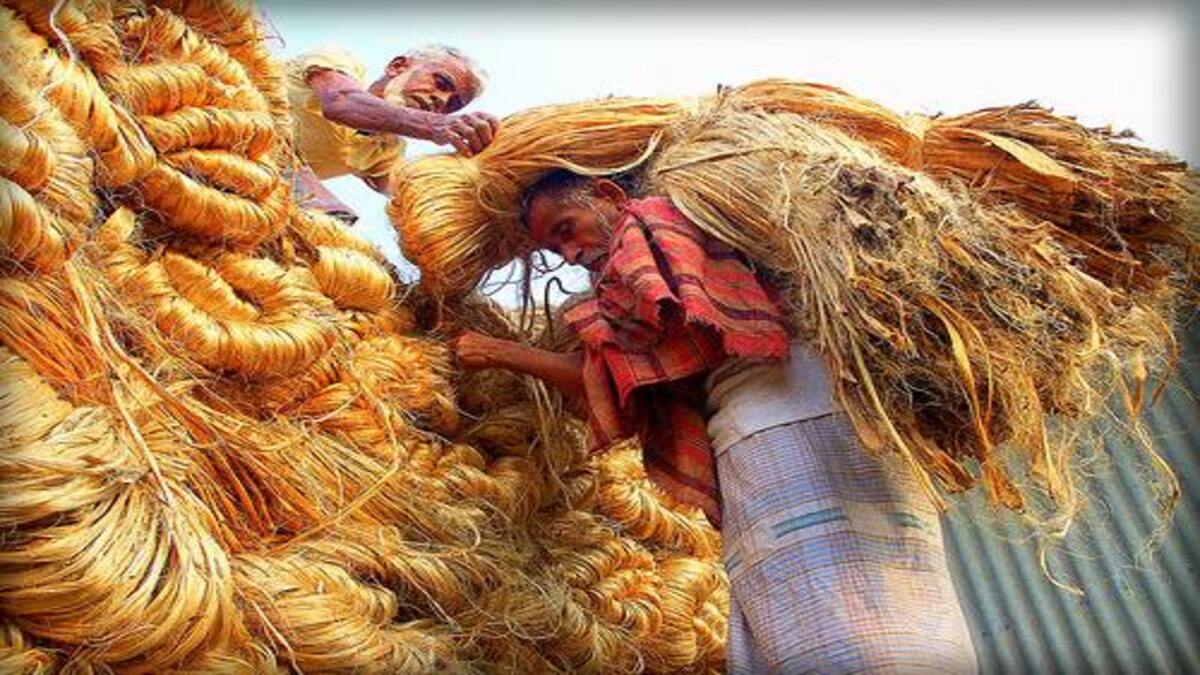
Jute growers in Bangladesh are grappling with worsening economic conditions as the prices of this natural fiber continue to plummet, coupled with a sharp decline in exports.
Industry insiders point to domestic sales struggling due to a lack of government enforcement of a law mandating the use of jute bags for certain commodities.
The finest quality jute, previously priced at Tk 2,700 per maund, is now selling at approximately Tk 2,600 per maund.
Medium-quality jute has seen the steepest decline, dropping by about 20% year-on-year to Tk 2,100 per maund due to weak demand from mills.
Demand in India and Pakistan, significant jute markets, has diminished.
India, the world’s largest jute producer, had ample yields this year, while Pakistan’s economic turmoil hindered demand.
Export earnings from jute and jute goods have declined nearly 10% year-on-year to $222 million in the July-September period of the current fiscal year, according to the Export Promotion Bureau.
While the increased use of jute bags in the domestic market could have alleviated the impact of reduced global demand, enforcement of a law mandating their use for packaging 19 commodities has been lax since 2010.
Growers in major jute-growing regions like Rajbari and Faridpur are among the hardest hit, as they invest substantial time and resources in cultivating the crop.
Most Read


Electronic Health Records: Journey towards health 2.0

Making an investment-friendly Bangladesh

Bangladesh facing a strategic test

Understanding the model for success for economic zones

Bangladesh’s case for metallurgical expansion

How a quiet sector moves nations

Automation can transform Bangladesh’s health sector

A raw material heaven missing the export train

A call for a new age of AI and computing
You May Also Like