Government to fast-track lawsuits on defaulted loans
BY Insider Desk
September 05, 2025
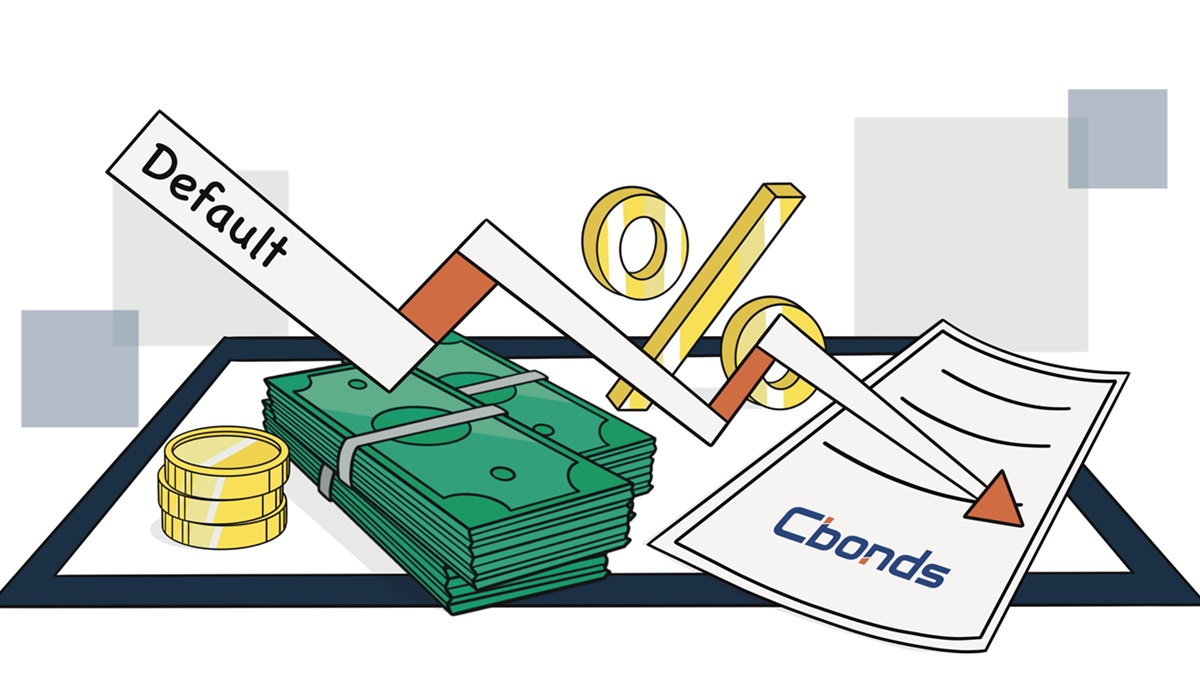
The interim government has launched an initiative to expedite lawsuits involving loan defaulters, aiming to recover tens of thousands of crores of taka tied up in lengthy court battles.
At a meeting between the Ministry of Finance and senior officials from ten state-owned banks and financial institutions, 100 lawsuits worth Tk 380 billion were identified as priorities for fast-tracking. Many of these cases have remained unresolved in the courts for years, blocking lenders from recovering funds.
“We will write to the Ministry of Law, the Attorney General’s office, and deputy commissioners to accelerate the legal process of these cases,” said Nazma Mubarak, secretary of the Financial Institutions Division (FID). Deputy commissioners will also be tasked with overseeing certificate cases.
The institutions include Janata, Sonali, Agrani, Rupali, Krishi, and BASIC banks, as well as Bangladesh Development Bank, Rajshahi Krishi Unnayan Bank, the Investment Corporation of Bangladesh, and the Securities and Exchange Commission. Each has been asked to submit its ten most significant pending cases to the FID.
The banks will appoint dedicated officers to monitor lawsuits, with senior executives required to hold monthly review meetings and report progress.
The sums at stake are significant: Janata Bank alone has Tk 151.51 billion tied up in its ten biggest cases, Sonali has Tk 56.76 billion, Agrani has Tk 39.79 billion, and Rupali has Tk 37.47 billion.
Non-performing loans in Bangladesh reached Tk 7565.26 billion in 2024, including Tk 3457.65 billion in defaults. Officials say slow court processes and repeated appeals by borrowers have left a huge backlog, hampering recovery.
Tags:
Most Read

Electronic Health Records: Journey towards health 2.0
Making an investment-friendly Bangladesh

Bangladesh facing a strategic test

Bangladesh’s case for metallurgical expansion
How a quiet sector moves nations

Understanding the model for success for economic zones

Automation can transform Bangladesh’s health sector

A raw material heaven missing the export train

A call for a new age of AI and computing
You May Also Like