MIHAS 2025 showcases thriving halal economy
BY Insider Desk
February 07, 2026
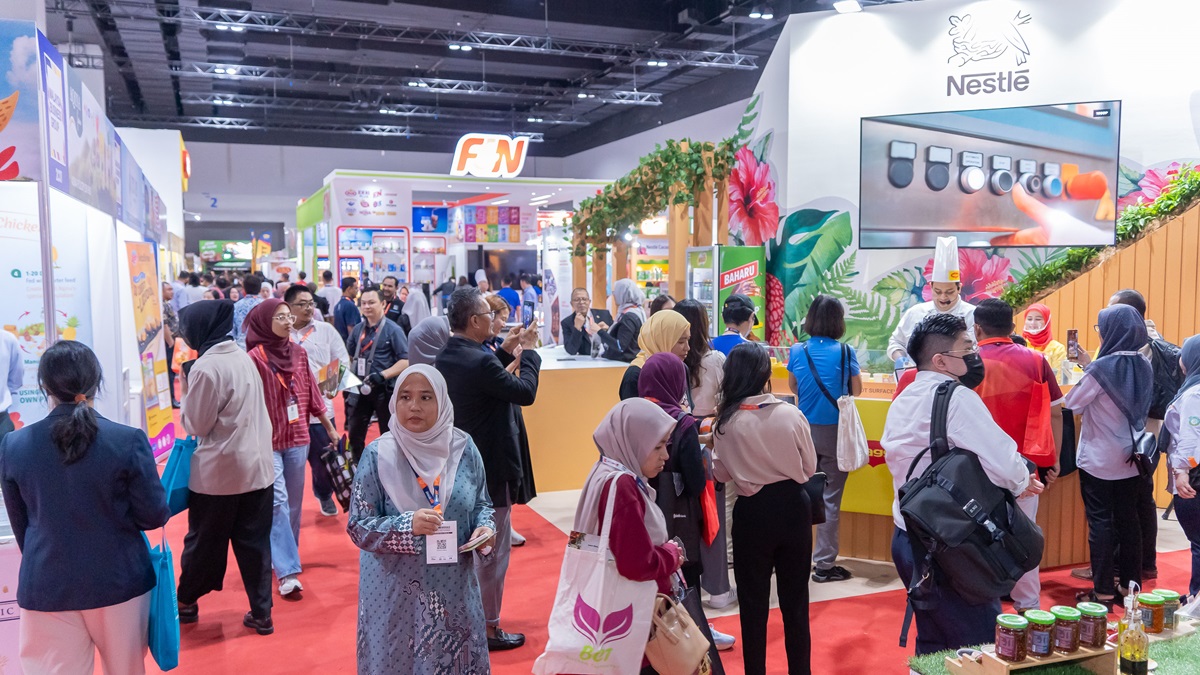
Malaysia has reaffirmed its ambition to stay at the forefront of the global halal economy, as leaders and industry players convened in Kuala Lumpur from September 17 to 20 for the Global Halal Summit (GHAS) 2025 and the Malaysia International Halal Showcase (MIHAS).
The four-day event, held at the Malaysia International Trade and Exhibition Centre (MITEC), brought together traders, policymakers, and innovators from around the world.
Opening the summit, Malaysian Prime Minister Anwar Ibrahim said halal is no longer limited to food certification but has emerged as a universal symbol of trust, ethical practices, and quality.
“The international environment surrounding halal today is the outcome of decades of Malaysian effort,” the prime minister said. Referring to halal’s growing appeal among non-Muslim-majority nations, he added, “Halal has become an international marker, a symbol of confidence.”
The global halal market is estimated at about USD 3.5 trillion worldwide. By 2030, it is expected to reach about USD 4.8 trillion. Demand for halal-certified goods and services is rising in Asia, Africa, Europe, and the Americas.
At the event, the Malaysian Prime Minister highlighted the country’s Halal Industry Master Plan (HIMP) 2030. This plan aims to have the halal industry contribute 10.8% to Malaysia’s GDP, or about USD 50.8 billion, by 2030. He also set a goal to increase halal exports to USD 17.6 billion by 2030.
This year’s edition of MIHAS is its 21st since launching in 2004. This year’s theme was ‘Pinnacle of Halal Excellence’ and drew more than 40,000 trade visitors from 100 countries. Within just three days, total sales reached about 1.1 billion US dollars, surpassing the previous year’s 946 million dollars.
The event’s business-matching platform remained one of its strongest features. MATRADE’s International Sourcing Programme (INSP) organized over 4,000 one-on-one meetings involving nearly 1,000 local and international buyers and sellers. Exhibitors and visitors represented a wide geographical spread, from South America and Africa to Europe, the Middle East, and across Asia.
Reezal Merican, Chairman of the Malaysia External Trade Development Corporation (MATRADE), shared, “The success of this year’s programme, the level of business activity and the depth of collaboration reflect the strength of our halal economy.”
While halal food remains a key feature, the showcase now also encompasses pharmaceuticals, medical devices, finance, personal care, cosmetics, modest fashion, green technologies, and Muslim-friendly tourism.
Organizers said MIHAS has become a marketplace that links ASEAN with the rest of the world. It also helps create cross-border partnerships in new halal sectors.
Bangladesh set up its own pavilion at MIHAS this year, which was organized by the Export Promotion Bureau (EPB) in coordination with the Bangladesh High Commission in Malaysia. Eight Bangladeshi companies and the Bangladesh-Malaysia Chamber of Commerce and Industry participated there. The pavilion featured a wide range of exportable products, including ready-made garments, ceramics, leather goods, plastics, pharmaceuticals, food, and beverages.
Participating companies included Global Capsules Limited, Golden Plus Food & Beverage Limited, Apex Convenience Foods Limited, KMR Kraft, Remark HB Limited, New Zealand Dairy Products Bangladesh Limited, MNL Designer Zone, Gorgeous with Trend, and Nourish Foods Limited.
Pran had three stalls at the pavilion. Pran received orders worth USD 1.5 million for its products. The company displayed nearly 500 items, including juices, bakery products, biscuits, confectionery, noodles, chutneys, sauces, chocolates, and other ready-to-eat foods. This year, special focus was given to Korean noodles, various biscuits, and basil seed drinks.
In the next edition of MIHAS, Malaysian officials say they will focus on innovation, digital adoption, and sustainable growth. The fair has become an excellent platform for Bangladesh to gain traction in the global halal market.
Most Read

Starlink, satellites, and the internet
BY Sudipto Roy
August 08, 2025
What lack of vision and sustainable planning can do to a city
A nation in decline
From deadly black smog to clear blue sky
Understanding the model for success for economic zones

How AI is fast-tracking biotech breakthroughs

Environmental disclosure reshaping business norms
Case study: The Canadian model of government-funded healthcare
A city of concrete, asphalt and glass

Does a tourism ban work?
You May Also Like