Trump eases tariffs on key food imports
BY Insider Desk
November 15, 2025
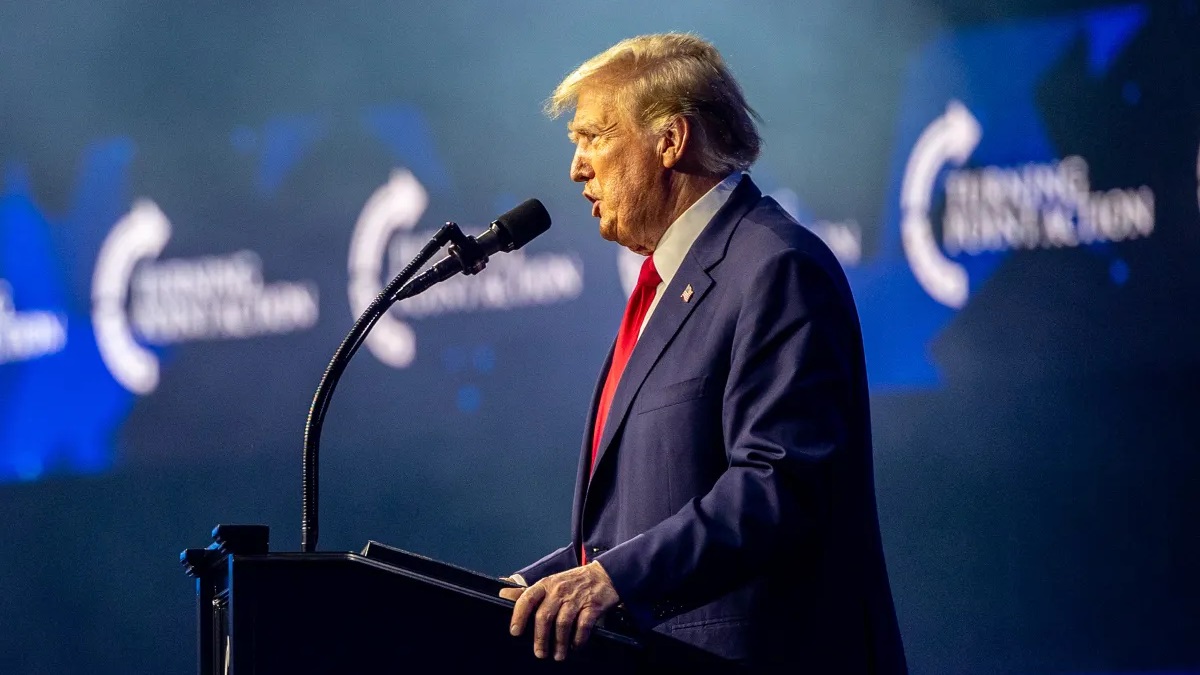
US President Donald Trump has signed an order rolling back tariffs on a range of agricultural imports, including beef, bananas, coffee, and tomatoes, as his administration faces growing pressure from voters concerned about rising household expenses.
The exemptions, published by the White House on Friday and effective as of the previous day, remove these products from the “reciprocal” tariff regime imposed earlier this year. Officials stated that the decision reflects the country’s limited capacity to produce certain goods, although other duties under the policy will remain in place.
The move comes as the administration intensifies efforts to counter criticism over affordability, which dominated recent elections for the New York City mayoralty and the governorships of New Jersey and Virginia. Democrats won all three races after campaigning heavily on living-cost issues.
The revised tariff list also covers avocados, coconuts, and pineapples, as well as other produce that the United States relies on foreign suppliers to meet domestic demand.
Coffee imports are of particular concern, as the United States sources most of its supply from abroad. Prices surged sharply in August and September following climate-related disruptions and tariff-driven costs.
Bill Murray, president of the National Coffee Association, stated that the exemptions would help alleviate pressure on consumers and maintain supply stability for U.S. businesses. Beef prices have also risen this year due to tighter cattle supplies, a trend the administration expects the tariff relief to help moderate.
The announcement follows new trade agreements with Argentina, Guatemala, Ecuador, and El Salvador, under which the United States pledged to remove reciprocal tariffs on goods it cannot produce in adequate quantities.
Since returning to the office in January, Trump has introduced sweeping tariffs across multiple sectors, prompting warnings from economists about the risks of inflation. Although headline inflation has not climbed sharply, policymakers note that higher levies have increased costs for specific categories of goods and are likely to continue feeding through the economy.
Senior White House officials have acknowledged the financial strain facing many Americans, citing declining purchasing power in recent years and pledging additional measures to address affordability concerns.
Tags:
Most Read

Starlink, satellites, and the internet
BY Sudipto Roy
August 08, 2025

What lack of vision and sustainable planning can do to a city

From deadly black smog to clear blue sky

A nation in decline

Understanding the model for success for economic zones

How AI is fast-tracking biotech breakthroughs

Environmental disclosure reshaping business norms

Case study: The Canadian model of government-funded healthcare
A city of concrete, asphalt and glass

Does a tourism ban work?
You May Also Like