Country saves $3.3bn through energy efficiency in one year, report says
BY Insider Desk
December 19, 2025

Bangladesh saved an estimated $3.3 billion in energy costs in a single year by improving the efficiency of electricity and fuel use across households, industry, and the power system, according to a new report.
The savings were achieved in the 2023–24 fiscal year and reflect reduced fossil fuel consumption and avoided energy imports equivalent to about seven million tonnes of oil, the report said. The period coincided with high global fuel prices, rising liquefied natural gas (LNG) costs, and a severe foreign-currency shortage.
The study, published on Wednesday by the Institute for Energy Economics and Financial Analysis (IEEFA), reported that efficiency gains enabled the economy to maintain output while using less energy.
IEEFA said Bangladesh’s efforts to improve energy efficiency, guided by a national master plan adopted in 2016, are now delivering results. The Energy Efficiency and Conservation Master Plan set targets to reduce energy intensity by 15% by 2021 and 20% by 2030.
Between 2014–15 and 2023–24, energy efficiency improved by 13.64%, according to the report. Progress was limited until 2020–21, after which it accelerated amid fuel price volatility and domestic supply disruptions.
Household adoption of energy-efficient appliances, including LED lights, fans, and air conditioners, reduced electricity demand. Industry also contributed through improved boilers, waste heat recovery, and more efficient machinery.
However, the report said significant efficiency potential remains, particularly in industrial motors and captive power generation, and recommended stricter appliance standards and energy labelling.
Tags:
Most Read
From deadly black smog to clear blue sky

Starlink, satellites, and the internet

Understanding the model for success for economic zones

A nation in decline
What lack of vision and sustainable planning can do to a city

How AI is fast-tracking biotech breakthroughs

Case study: The Canadian model of government-funded healthcare
Does a tourism ban work?
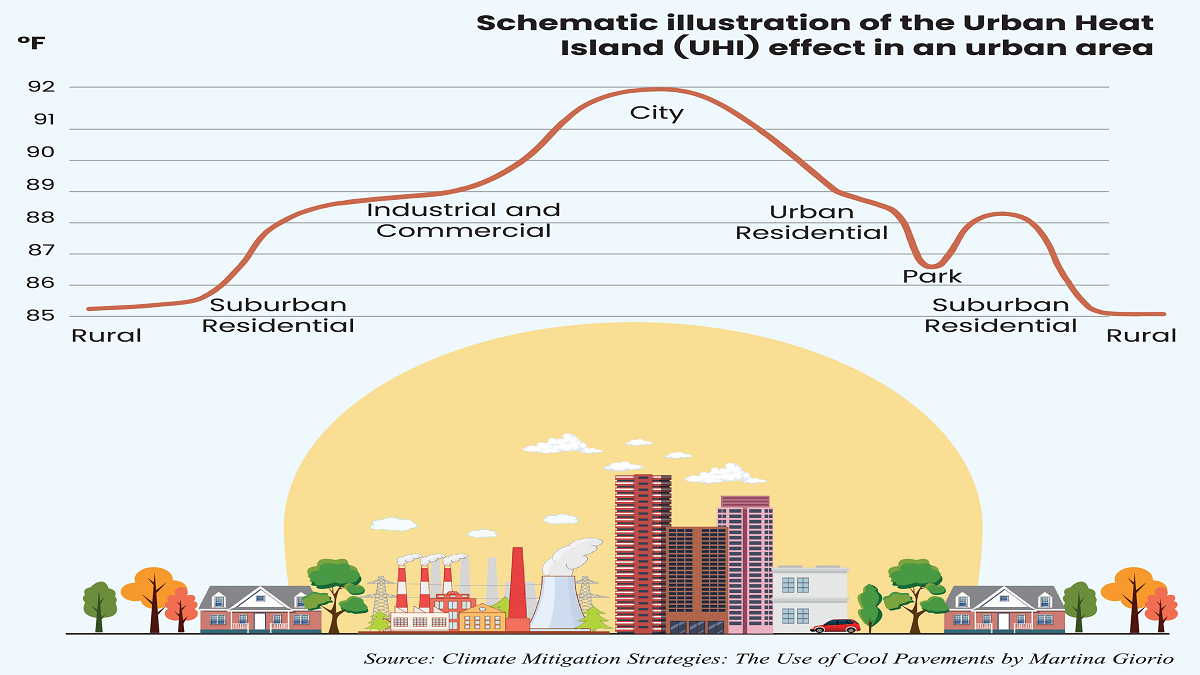
A city of concrete, asphalt and glass
You May Also Like