Does SEO still matter while AI is redefining search?
November 22, 2025
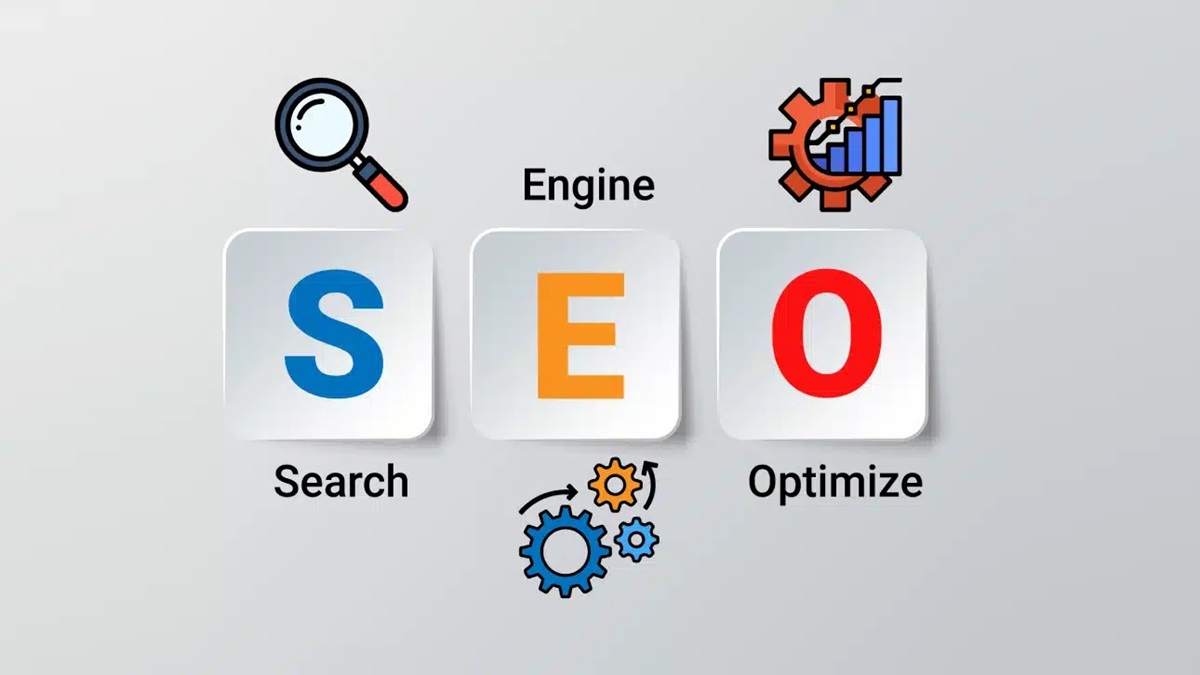
Since its birth as a digital marketing tool in 1997, the demise of SEO has been predicted many times. Every time Google comes up with some significant change(s), it echoes the age-old question: Is SEO dead?
Like this question, the answer has always been the same. SEO adapted to the changes and survived them all.
Now that AI tools are reshaping how we search for and find information, Google’s search engine result pages (SERPs) are more feature-rich than ever. AI-assisted search results can answer most questions with exact keywords. It has made us far less likely to click the links shown below and look for the information ourselves.
If you are in digital marketing, you may have heard how all these are going to make SEO useless. As before, the answer remains big no.
What face death are the old tricks and tools used for SEO. The idea itself remains helpful in making websites discoverable, credible, and relevant to search engines, Large Language Models (LLMs), and users.
How SEO works
SEO improves user experience, engagement, and conversion for a business. It finetunes the website, content, and technical architecture to match how search engines define good results.
When we search for something on Google, it sends its bots/crawlers to navigate the web. The bots discover, list, and rank relevant websites, which are shown on the result page.
To get discovered, listed, and high-ranked, the website must undergo modifications in its page, content, and architecture. Besides, it needs to manage relationships with other web sources with techniques like backlinking. SEO is a must for all this.
On-page, off-page, and technical SEO altogether help the website get found and well-ranked by the search engine bots.
On-page SEO concerns keywords’ location, accurate title tags, meta description, visible author bio, etc. It’s about optimizing content’s structure and signals so that it’s understood and trusted by both the search engine bots and people. Common tools used for on-page SEO include the H1 tag, alternative text, URL slug, and other relevant elements.
As for images, SEO involves resizing and compressing them to improve website speed and reduce page load time. For video content, standard SEO practices include adding keywords to the title and description.
Off-page SEO involves link building, email marketing, social media management, backlinking, etc. It helps manage relationships with other websites.
Technical SEO involves modifying the website’s architecture and speed. Tools like ‘meta robot tags’, ‘robots.txt’, XML sitemap, and internal links are used to help bots navigate, index, and rank the website.
For localized products or services, SEO involves optimizing Google Business Profile, listing of business in online directories, responding to Google reviews, publishing localized content on websites, etc.
Transformation of SEO
Google algorithms dictate how the search engine processes the information from the vast web. For a business entity with digital presence, a new algorithm update means a change in visibility, conversion rate, and revenue.
Whenever there are major algorithm updates, SEO adapts to opportune tactics and tools to remain discoverable, relevant, and trustworthy.
To assess the quality and credibility of web content, Google uses a set of guidelines. Experience, expertise, authoritativeness, and trustworthiness are the guidelines to follow. SEO strategies must include the author’s credentials, citations to other web sources, editorial notes, and a transparent update history to comply with these guidelines.
Ranking factors influence the website’s presence, positioning, and appearance on the SERPs. Among ranking factors are relevance, quality of content, keyword presence, backlinks, page load speed, usability of the site, etc.
The more a website aligns with the algorithms and ranking factors of the search engine, the more likely it is to rank higher on the result page. SEO strategies change with the algorithm updates and get upgraded.
For instance, Google Panda updates in 2011 triggered widespread rumors of SEO’s demise. Adapting to the required changes, SEO strategies became even more helpful.
The algorithm updates were designed to demote low-quality and duplicate content, and to reward the high-quality ones. It led SEO strategies to shift focus from quantity to quality.
On the other side, manipulative SEO practices like keyword stuffing have been devalued and are obsolete. All these led to improved SEO practices and a trustworthy search environment.
Evolving search algorithms, search behavior, and SERPs
Not long ago, Google’s SERPs would always show us 10 (blue) links in response to our search. Improving the website’s visibility and rank in Google’s SERP was the primary concern for all SEO professionals. The simple goal was to rank #1 on the SERPs for specific keywords.
With the rise of Generative AI tools like ChatGPT, Google Gemini, Perplexity AI, and Microsoft Copilot in recent times, there has been a notable shift in search behavior. Both the way we search for a query online and the way search engines show the results have changed.
While ChatGPT stands out for its creative, human-like, and problem-solving capabilities, Perplexity AI excels in up-to-date, in-depth responses. With real-time web search capabilities, Perplexity AI gives a synthesized response based on current content on the internet.
This search engine finds peer-reviewed sources, cites the sources, and allows follow-up questions. These make Perplexity AI a great assistant for academic and professional research.
Integration of Large Language Models (LLMs) now allows search engines to be answer machines too. AI-assisted search results offer direct, synthesized answers rather than just a list of website links.
For improved user experience, SERPs also hold snippets (results with images or ratings), instant answers, top stories, knowledge panels, local packs, ‘people also ask’ boxes, sitelinks, etc.
By March 2025, Google’s share of search dropped below 90% for the first time over a decade. People are increasingly searching on other platforms like Facebook, Reddit, Amazon, YouTube, and GPT.
New rules for SEO
It’s time for innovative SEO strategies. Integration of AI with SEO can’t wait. AI overviews draw and cite information from platforms like Reddit, YouTube, Quora, and Facebook. If a business wants to be cited by AI, it needs a strategic presence across the search platforms.
Simply copying and pasting duplicate content across all platforms is insufficient. The content needs to be tailored differently for different platforms. Media optimization, mentions across platforms, citations, and accuracy are key to appearing in SERP features.
AI systems and featured snippets tend to pull short descriptions that answer the most asked questions. Starting each page with a snippable 1-3 sentence summary near the top will help gain visibility in new SERP features.
Structured data like articles, frequently asked questions (FAQs), and ‘How to’ questions need to be added to improve the content’s machine readability.
Presence on review sites and online directories is also important. Visibility isn’t just about organic rankings anymore. It includes being in featured snippets, knowledge panels, product carousels, and AI-generated overviews.
Mentions, reviews, and citations across other websites and platforms make the site trustworthy for generative engines like Googlebots.
SEO strategies should focus on both website visibility and validation. While visibility is about being shown in search results, validation is mentioned in online conversations. If visibility means having a Facebook page, validation means promotion through influencers. While a top rank in SERPs improves visibility, being cited by generative pretrained transformers (GPTs) adds validation.
Contents have to be optimized for user intent rather than just keywords. Breaking the content into intent-based parts (what it is, where to buy, how to use, etc.) will help gain visibility in different SERP features.
Most Read


Starlink, satellites, and the internet

How AI is fast-tracking biotech breakthroughs

From deadly black smog to clear blue sky

Understanding the model for success for economic zones

What lack of vision and sustainable planning can do to a city

A nation in decline

Case study: The Canadian model of government-funded healthcare

Does a tourism ban work?
A city of concrete, asphalt and glass
You May Also Like